
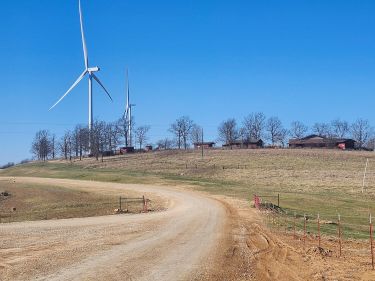
 Photo courtesy of: KATV-TV - Little Rock, AR.
The U.S. Department of Agriculture (USDA) has announced a significant financial commitment to the state of Arkansas. During the 2026 fiscal year, the USDA's Rural Development division invested more than $451.7 million in the form of loans and grants designed to revitalize rural areas and improve the quality of life for residents.
The vast majority of the funding was dedicated to housing. Approximately $431 million was allocated to help rural families achieve safe, affordable homeownership and to expand the availability of affordable rental housing. This massive investment underscores the government's commitment to ensuring that rural citizens have access to secure and stable living environments.
Beyond housing, the USDA targeted several critical infrastructure needs to ensure rural communities can compete and thrive in a modern economy. Key investments included:
David Branscum, the Arkansas State Director for Rural Development, emphasized that these funds are creating tangible changes across the state. Branscum noted that the investments are yielding "measurable improvements" in access to clean water, reliable power, and emergency services, while simultaneously strengthening local economies.
By combining infrastructure upgrades with housing support and economic incentives, the USDA aims to provide rural Arkansas with the necessary tools for long-term sustainability and growth.
Share this article...

Copyright ©
North Arkansas Performing Artists Coalition (NAPAC) / The Harrison Post